

Redefining What It Means to “Grow Up”
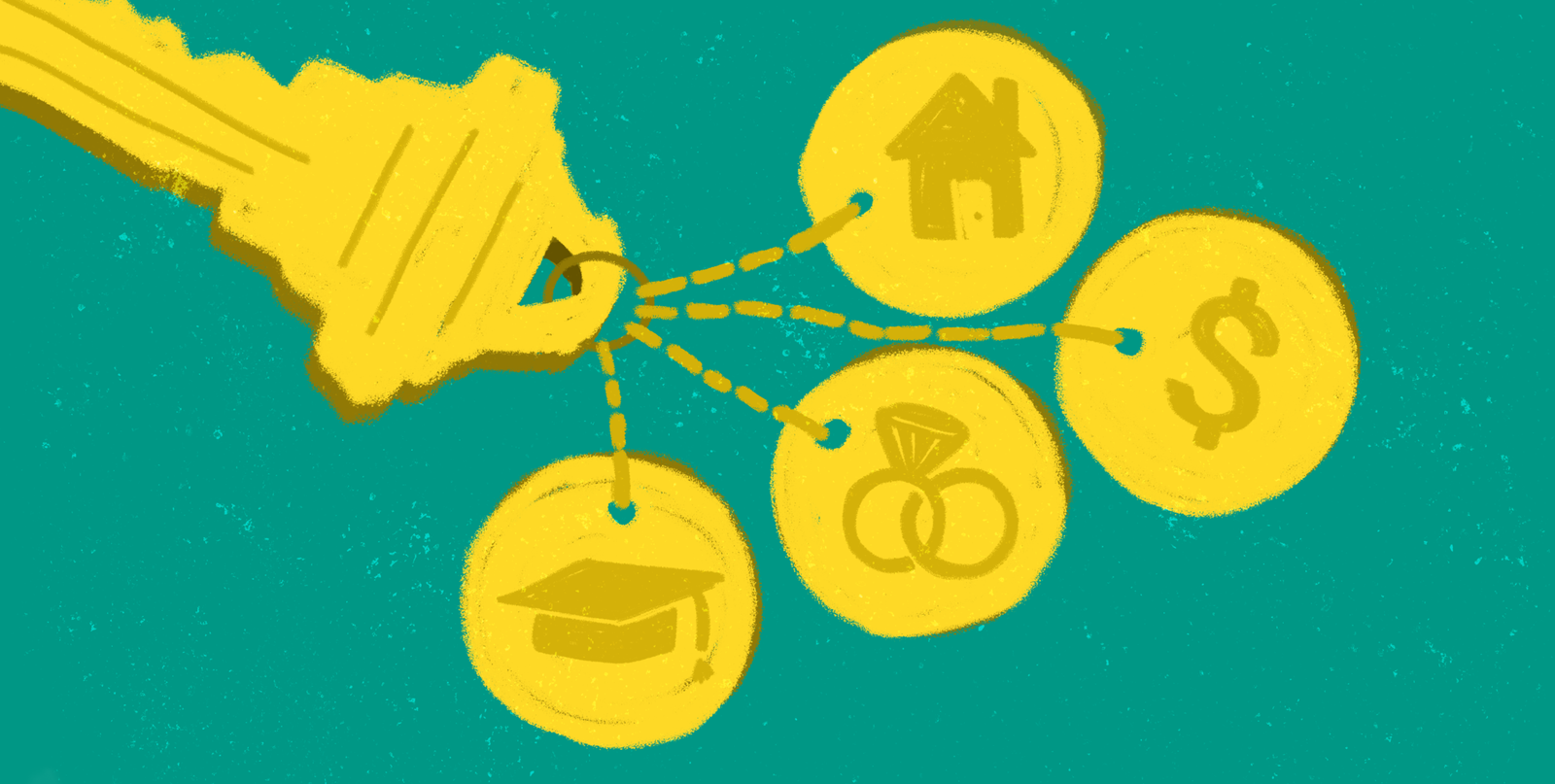
For decades, adulthood followed a predictable timeline: finish education, secure a stable job, get married, buy a home, and start a family. Today, that sequence no longer defines maturity for Millennials and Gen Z. Economic uncertainty, rising living costs, student debt, and rapid technological change have reshaped priorities and possibilities. Many young adults now focus less on ticking off traditional milestones and more on flexibility, personal growth, and mental well-being. Adulthood has become less about age and more about self-defined readiness. Delayed marriages, career pivots, and extended education are no longer seen as failures but as thoughtful choices. Social media has also exposed people to diverse lifestyles, making it clear there is no single “right” way to live. This shift reflects a broader cultural change where success is increasingly measured by fulfillment rather than conformity. The new adulthood is fluid, adaptive, and deeply personal, challenging long-held assumptions about what it means to truly grow up.
Careers Without Straight Lines
From Stability to Flexibility
Career paths for Millennials and Gen Z look vastly different from those of previous generations. Instead of staying with one company for decades, younger workers often prioritize flexibility, purpose, and work-life balance. The rise of remote work, freelancing, and the gig economy has normalized non-linear career journeys. Many individuals now explore multiple roles, industries, or side hustles before settling into something that aligns with their values. Job-hopping, once viewed negatively, is increasingly seen as a way to gain diverse skills and avoid burnout. At the same time, economic pressures and automation have made traditional job security less attainable, pushing young adults to remain adaptable. Passion projects, content creation, and entrepreneurial ventures are now legitimate career options. This evolving relationship with work shows that adulthood no longer requires a single lifelong profession; instead, it encourages continuous learning and reinvention as part of a meaningful, modern life.
Delaying Marriage, Redefining Relationships
Commitment on New Terms
Marriage and long-term partnerships are still valued, but their timing and structure have changed significantly. Many Millennials and Gen Z individuals delay marriage to focus on education, careers, or personal development. Financial instability and the high cost of weddings and housing also play a major role in postponement. Additionally, relationships today are more diverse and intentional, with greater acceptance of cohabitation, long-distance partnerships, and choosing not to marry at all. Emotional compatibility, shared values, and mutual growth often matter more than meeting societal expectations. This generation also places a stronger emphasis on communication and mental health within relationships. Rather than rushing into commitments, many prefer to build a solid sense of self first. These changes highlight a shift from marriage as a milestone to marriage as a choice—one that should enhance life rather than validate adulthood.
Homeownership and Financial Independence Reimagined
New Paths to Security
Owning a home has long been considered a hallmark of adulthood, yet for many young people today, it feels increasingly out of reach. Rising property prices, stagnant wages, and student loan debt have made renting a long-term reality rather than a temporary phase. As a result, financial independence is being redefined. Some Millennials and Gen Z prioritize experiences, travel, or savings over property ownership, while others explore alternatives like co-living, tiny homes, or relocating to more affordable cities. Financial literacy, side incomes, and mindful spending now play a bigger role in feeling “adult” than owning assets. The idea of success is shifting from accumulation to sustainability. Rather than following the traditional script, younger generations are crafting financial lives that support flexibility, freedom, and personal values, even if that means rewriting what security looks like.
Adulthood as an Ongoing Journey
Growth Over Timelines
Perhaps the most significant change in modern adulthood is the rejection of rigid timelines altogether. Millennials and Gen Z increasingly view life as an evolving process rather than a checklist to complete by a certain age. Mental health awareness has encouraged people to move at their own pace, seek help when needed, and redefine success on their own terms. Taking gap years, returning to education later in life, or changing directions entirely are now normalized choices. Social comparison still exists, but there is growing recognition that everyone’s circumstances are different. This mindset allows for greater compassion, self-awareness, and resilience. The new adulthood embraces uncertainty and values growth over perfection. By letting go of outdated expectations, younger generations are creating more inclusive and realistic definitions of what it means to live a full, responsible, and meaningful adult life.