

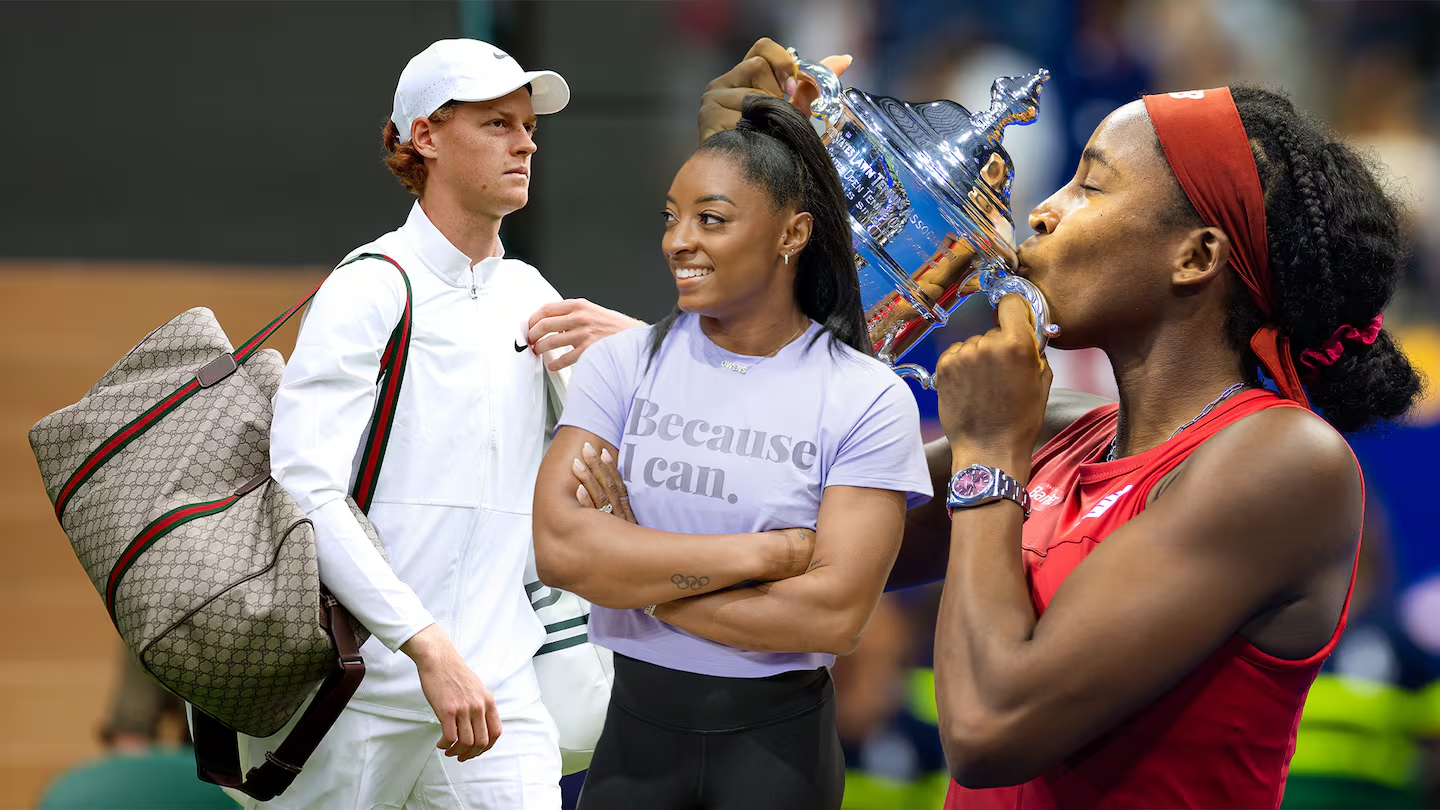
The Evolution of Athletes Beyond the Game
Athletes today are no longer defined solely by their performance on the field; they have evolved into powerful personal brands with influence that extends far beyond sports. This transformation has been driven by increased media exposure, global fan bases, and the rise of digital platforms that allow athletes to tell their own stories. Fans now connect with athletes not just as competitors, but as personalities, role models, and cultural figures. From fashion choices to social causes, athletes shape conversations that once belonged only to celebrities or corporations. This shift has changed how success is measured—wins and trophies still matter, but visibility, relatability, and authenticity are equally important. Athletes who understand this evolution actively curate their public image, aligning their values with their audience’s expectations. As a result, the modern athlete operates at the intersection of sport, entertainment, and entrepreneurship, redefining what it means to have a career in sports in the digital age.
Social Media: The Engine Behind Athlete Branding
Social media has become the most powerful tool in transforming athletes into brands. Platforms like Instagram, X, TikTok, and YouTube allow athletes to communicate directly with fans without relying on traditional media. This direct access humanizes them, offering glimpses into training routines, personal struggles, family life, and behind-the-scenes moments. Such transparency builds trust and emotional connection, which are essential elements of strong branding. Social media also allows athletes to control their narrative, respond instantly to controversies, and highlight causes they care about. For younger athletes especially, digital presence can be as impactful as athletic performance in building recognition. However, this visibility comes with pressure—every post, comment, or endorsement can shape public perception. Successful athlete brands are those that balance consistency with authenticity, ensuring their online persona aligns with their real-life values while staying relevant in an ever-changing digital landscape.
From Endorsements to Entrepreneurship
Traditionally, athletes earned off-field income through endorsements, but today many are becoming full-scale entrepreneurs. Instead of simply promoting products, athletes now launch their own brands in industries such as fashion, fitness, technology, and nutrition. This shift represents a move from being a spokesperson to being a business owner. By leveraging their personal brand, athletes can build long-term wealth that outlasts their playing career. Fans are more likely to support products that feel like an extension of the athlete’s identity rather than a forced partnership. Strategic collaborations and brand ownership also give athletes more control over their image and financial future. However, entrepreneurship requires careful planning, market understanding, and the right partnerships. Athletes who succeed in business often surround themselves with expert teams while remaining actively involved in decision-making, proving that sports discipline can translate effectively into the world of business.
The Risks and Responsibilities of Being a Brand
While branding offers opportunities, it also brings significant risks and responsibilities. Athletes are constantly under public scrutiny, and a single mistake can damage both reputation and business relationships. Controversies, off-field behavior, or poorly chosen endorsements can quickly erode trust. As brands, athletes are expected to be socially aware and accountable, especially when speaking on sensitive issues. Silence can be interpreted as indifference, while strong opinions may divide audiences. Managing this balance requires emotional intelligence and strategic communication. Additionally, young athletes may feel overwhelmed by the pressure to perform both athletically and commercially. Without proper guidance, branding can distract from performance or personal well-being. Therefore, successful athlete brands prioritize long-term credibility over short-term gains. They understand that consistency, ethical choices, and authenticity are essential to sustaining influence in an environment where public opinion can shift rapidly.
The Future of Athletes as Global Brands
The future suggests that athlete branding will only grow stronger as technology and globalization expand. With emerging platforms, virtual experiences, and AI-driven personalization, athletes will have even more ways to connect with fans worldwide. Younger generations already expect athletes to stand for something beyond their sport, whether it’s mental health awareness, sustainability, or social justice. This expectation will further blur the lines between athlete, influencer, and entrepreneur. At the same time, teams and leagues are adapting, recognizing that individual brands can enhance the overall value of sports. The most successful athletes of the future will be those who integrate performance, personality, and purpose into a cohesive brand identity. When managed thoughtfully, being a brand empowers athletes to shape their legacy, extend their impact beyond competition, and redefine success in a world where sports, social media, and business increasingly collide.