

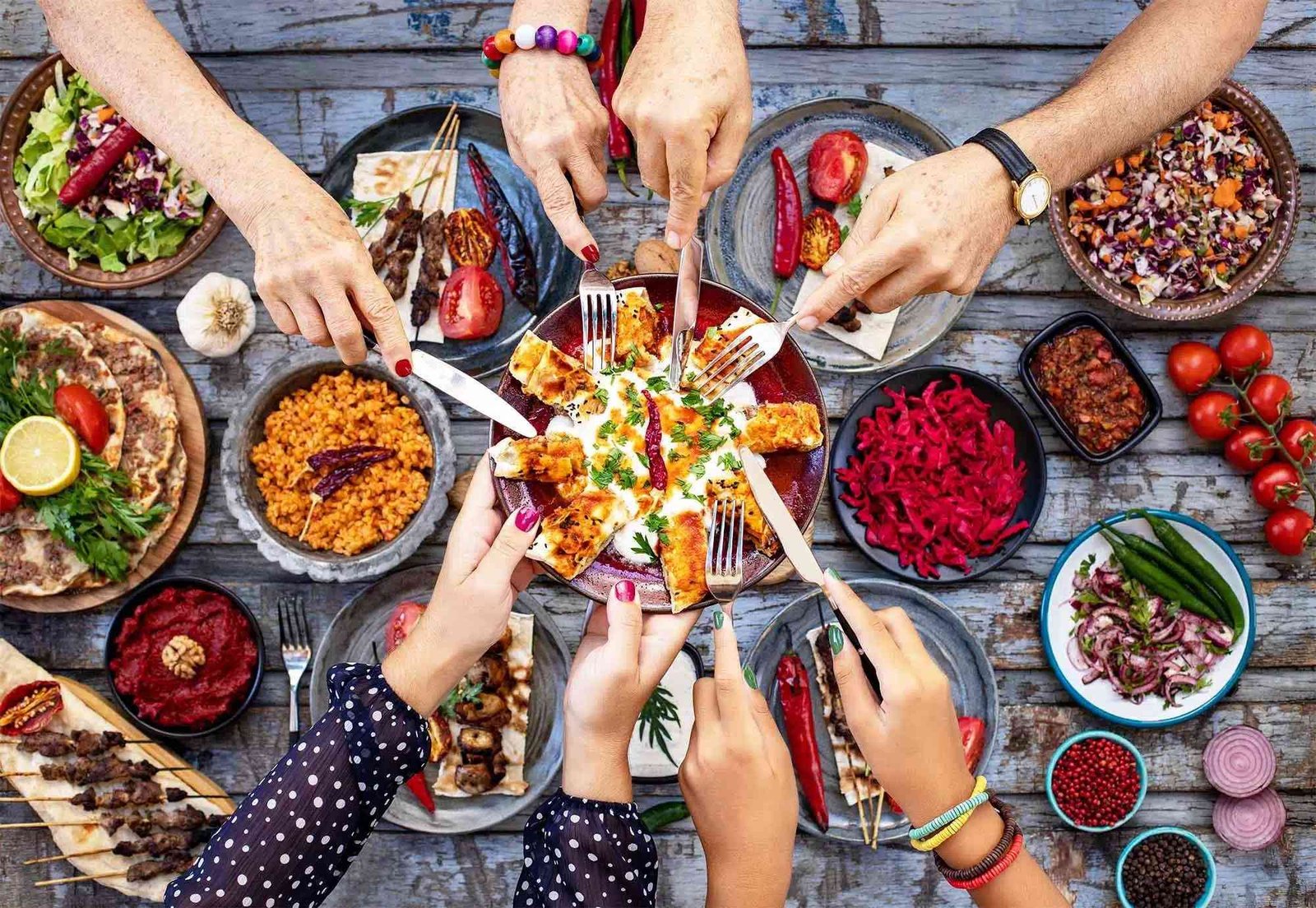
A World Connected Through the Plate
Food has always been a reflection of culture, geography, and tradition, but social media has transformed it into a global conversation. Platforms like Instagram, TikTok, and YouTube have turned local dishes into international sensations almost overnight. A street snack once enjoyed by a small community can now be recreated in kitchens thousands of miles away. Visual storytelling plays a major role in this shift, as vibrant photos, short recipe videos, and food challenges make cuisine feel accessible and exciting. As users scroll, they are exposed to flavors, ingredients, and cooking styles they may never have encountered otherwise. This constant exposure reshapes curiosity and eating habits, encouraging people to experiment beyond familiar comfort foods. In this way, social media acts as a digital bridge, connecting cultures through shared culinary experiences. The result is a more interconnected food landscape where taste travels faster than ever, reshaping what the world eats and how it defines flavor.
From Local Specialties to Global Food Trends
One of the most striking effects of social media is how quickly regional foods gain global popularity. Dishes like Korean corn dogs, Japanese soufflé pancakes, or Middle Eastern shawarma wraps have crossed borders largely through viral content. Influencers and home cooks alike showcase these foods, often adapting them to local ingredients and preferences. This process not only spreads awareness but also sparks creative reinterpretations, blending traditional recipes with modern twists. Restaurants respond rapidly, adding trending items to menus to meet rising demand. While some worry about authenticity being diluted, others see this as cultural exchange in action. Food trends no longer rely solely on travel or migration; they are fueled by algorithms and shares. As a result, the definition of “international cuisine” continues to expand, shaped less by geography and more by what captures attention online.
The Power of Influencers and Digital Food Creators
Food influencers have become key drivers in shaping global taste. Their recommendations can elevate a humble ingredient or dish into a must-try experience. By sharing personal stories, cooking tips, and cultural context, creators make unfamiliar foods feel relatable. Short-form videos simplify complex recipes, encouraging viewers to try them at home. This democratization of cooking knowledge empowers people to explore cuisines without formal training. At the same time, influencer collaborations with brands and restaurants amplify trends at an unprecedented scale. A single endorsement can influence purchasing decisions worldwide. However, this power also brings responsibility, as creators shape perceptions of entire food cultures. When done thoughtfully, their content fosters appreciation and curiosity. When done carelessly, it risks oversimplification. Still, their role in globalizing taste is undeniable, as they act as modern storytellers for food.
Fusion Cuisine and the Rise of Hybrid Flavors
As global exposure increases, fusion cuisine has moved from niche to mainstream. Social media encourages experimentation, inspiring cooks to combine flavors from different cultures in inventive ways. Tacos filled with Korean barbecue, pasta infused with Asian spices, or desserts blending Western and Eastern techniques reflect this trend. These hybrids often emerge organically, driven by home cooks sharing creative results online. The appeal lies in familiarity mixed with novelty, offering comfort and surprise in a single bite. While traditionalists may resist change, fusion dishes reflect evolving identities in a connected world. They tell stories of migration, curiosity, and shared influence. Social media accelerates this evolution by rewarding originality and visual appeal. In doing so, it reshapes global palates, making people more open to bold combinations and redefining what authenticity can mean in modern food culture.
The Future of Global Taste in a Digital Age
Looking ahead, the globalization of taste shows no signs of slowing. As platforms evolve and new technologies emerge, food content will become even more immersive and interactive. Virtual cooking classes, live tastings, and AI-driven recommendations may further personalize global food discovery. Consumers will likely become more informed, seeking not just recipes but also stories behind ingredients and traditions. This could encourage greater respect for cultural origins while still allowing innovation. At the same time, sustainability and ethical sourcing may become central themes as global audiences grow more conscious. Social media has already proven its power to influence what the world eats; next, it may shape how responsibly we eat. Ultimately, the digital age is transforming food into a shared global language—one post, one video, and one bite at a time.