
The Always-Connected Reality We Live In
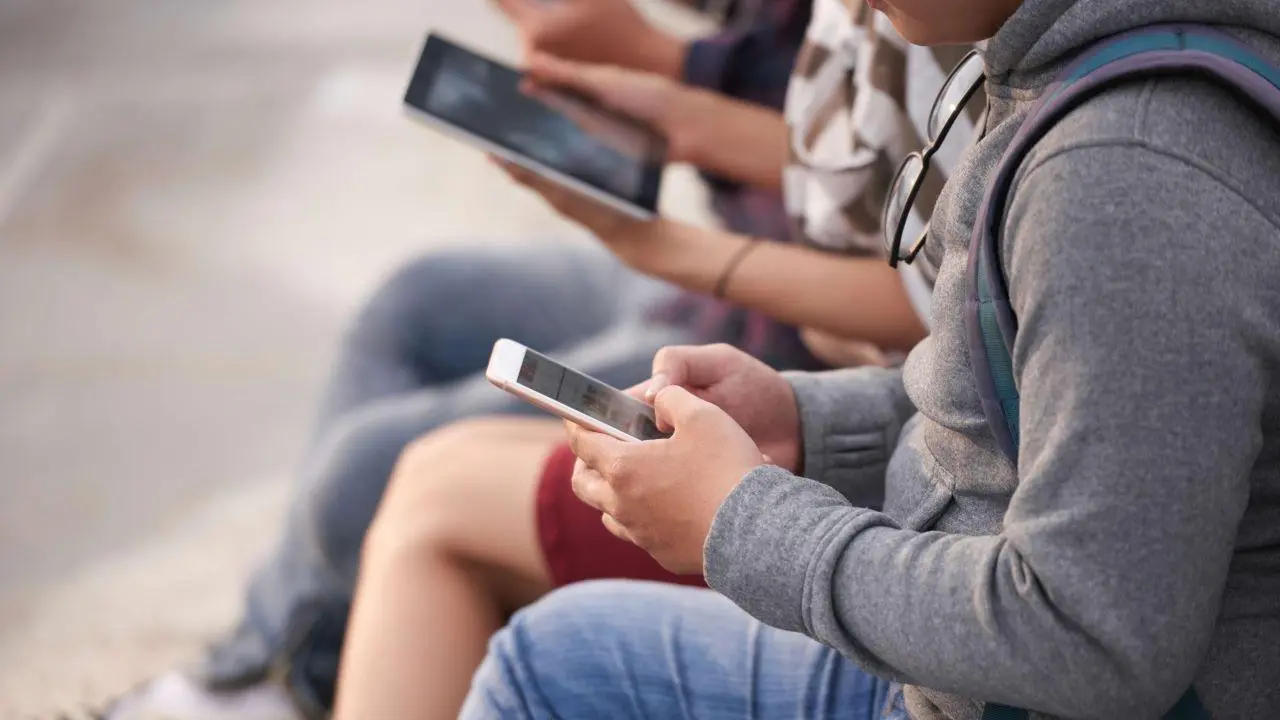
In today’s hyperconnected world, being online is no longer a choice—it is the default. Smartphones, social media, instant messaging, and remote work tools keep people digitally engaged from the moment they wake up to the moment they fall asleep. While technology has made life more convenient and productive, it has also quietly consumed personal time, attention, and mental energy. Many people now feel overwhelmed by constant notifications, endless scrolling, and the pressure to always be available. This state of permanent connection often blurs the boundaries between work and personal life, leaving little room for rest or reflection. As a result, digital fatigue, burnout, and reduced focus have become common experiences. Recognizing these challenges, individuals across the world are beginning to question their relationship with technology. Rather than rejecting digital tools entirely, they are seeking a healthier middle ground—one that allows technology to serve life instead of controlling it.
Understanding Digital Balance and Why It Matters
Digital balance is not about abandoning devices or living offline; it is about using technology intentionally and mindfully. At its core, digital balance means aligning screen time with personal values, priorities, and well-being. People are realizing that constant connectivity can dilute meaningful experiences, from face-to-face conversations to moments of creativity and calm. Excessive screen time has also been linked to stress, sleep disruption, and decreased productivity, making balance not just a lifestyle choice but a health necessity. By becoming aware of how and why they use digital platforms, individuals can regain control over their time and attention. This shift encourages purposeful engagement—checking emails during defined hours, consuming content that adds value, and limiting mindless scrolling. Digital balance empowers people to be present in their daily lives while still enjoying the benefits of modern technology without feeling dominated by it.
Practical Ways People Are Reclaiming Their Time
Many people are adopting simple yet effective strategies to create healthier digital habits. One popular approach is setting clear boundaries, such as designated “no-phone” hours during meals, family time, or before sleep. Others are using app timers and screen-time tracking tools to better understand their usage patterns and reduce unnecessary exposure. Digital detox days, where individuals intentionally unplug for a few hours or even an entire day, are also gaining popularity. These practices help reset attention spans and remind people of life beyond screens. Additionally, prioritizing offline activities like reading, exercising, journaling, or spending time in nature has become a powerful way to reclaim lost time. By replacing passive scrolling with intentional actions, people are rediscovering hobbies, improving focus, and experiencing a greater sense of fulfillment in their everyday routines.
The Role of Work Culture in Digital Balance
Work culture plays a significant role in shaping digital habits, especially in an era of remote and hybrid work. Many employees feel pressured to respond instantly to messages, even outside working hours, leading to chronic stress and blurred boundaries. To counter this, both individuals and organizations are redefining expectations around availability. Some companies now encourage asynchronous communication, flexible schedules, and clear “offline” times to support employee well-being. On a personal level, professionals are learning to set boundaries by disabling work notifications after hours or clearly communicating response times. This cultural shift acknowledges that productivity does not equal constant connectivity. When people are allowed to disconnect, they return more focused, creative, and motivated. By reshaping work norms, digital balance becomes a shared responsibility rather than an individual struggle.
Creating a Sustainable Relationship With Technology
Reclaiming time in an always-online world is not a one-time effort but an ongoing practice. Technology will continue to evolve, making digital balance a skill that must be regularly reassessed and refined. The goal is not perfection, but awareness and adaptability. By consciously choosing when and how to engage with digital tools, people can protect their time, mental health, and personal relationships. A balanced digital life creates space for deeper connections, better rest, and more meaningful experiences. As more individuals embrace this mindset, digital balance is becoming a modern form of self-care and empowerment. In a world that constantly demands attention, reclaiming time is a powerful act—one that allows people to live more intentionally, with technology enhancing life rather than overwhelming it.