

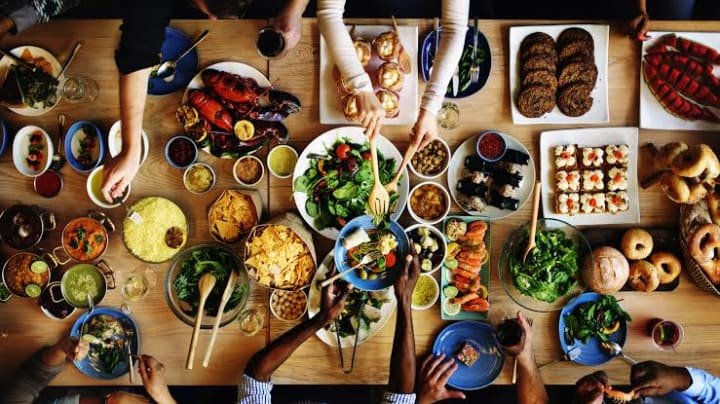
Food as a Reflection of Culture and Roots
Food has always been deeply connected to culture, but in today’s globalized yet fragmented world, what we eat has become an even stronger expression of who we are and where we come from. Traditional dishes passed down through generations act as edible memories, preserving history, values, and collective identity. Whether it’s a family recipe cooked on special occasions or a street food that defines a city, these choices go far beyond taste. They communicate belonging and heritage in a way words often cannot. In multicultural societies, food also becomes a bridge, allowing people to share their backgrounds while learning about others. At the same time, choosing to preserve or revive traditional cuisines can be an act of cultural pride and resistance in the face of homogenized global food trends. As people become more conscious of identity and representation, food stands out as one of the most personal and accessible ways to express cultural roots while staying connected to a rapidly changing world.
Diet Choices as Personal Values
In modern society, food choices increasingly signal personal beliefs, ethics, and lifestyles. Whether someone identifies as vegan, vegetarian, flexitarian, or follows a specific dietary philosophy, these decisions often reflect deeper values rather than mere preferences. Concerns about animal welfare, environmental sustainability, health, or spirituality shape how people eat and how they present themselves. Social media has amplified this phenomenon, turning meals into statements and diets into identities. A plant-based plate may communicate compassion and eco-consciousness, while locally sourced food might reflect a commitment to community and sustainability. Even indulgent or nostalgic food choices can signal emotional values like comfort, tradition, or rebellion against restrictive norms. In this way, eating has evolved into a form of self-expression similar to fashion or art. What we choose to consume, avoid, or celebrate sends subtle but powerful messages about what we stand for and how we want to be perceived.
Food, Status, and Modern Identity
Food has also become a marker of social status and modern identity, shaped by access, trends, and cultural capital. Artisanal products, organic groceries, and exclusive dining experiences often signal privilege, awareness, and taste. Meanwhile, fast food or convenience meals may be unfairly judged, despite being shaped by time constraints and economic realities. In the age of influencers and digital storytelling, sharing what we eat has become a way to curate identity online. A carefully plated brunch or a home-cooked traditional meal can communicate lifestyle, creativity, or authenticity. This visibility has made food both a personal choice and a public performance. However, it also raises questions about inclusion and inequality, as not everyone has equal access to “ideal” food options. As food becomes intertwined with image and status, it reflects broader social structures, highlighting how identity is shaped not just by choice, but also by opportunity and context.
Globalization and the Blending of Food Identities
Globalization has transformed food into a dynamic, evolving identity rather than a fixed one. With cuisines crossing borders through migration, travel, and technology, people now build hybrid food identities that reflect multiple influences. Fusion dishes, international ingredients, and experimental cooking styles represent a world where identity is fluid and layered. Someone may eat traditional food at home, global cuisine at work, and trend-driven meals on weekends, each reflecting different aspects of their life. This blending challenges the idea of “authentic” food, replacing it with personal meaning and adaptability. At the same time, globalization encourages curiosity and openness, allowing people to explore other cultures through taste. Food becomes a language of connection rather than division. In this interconnected world, what we eat tells a story not only of where we come from, but also of how we navigate multiple identities in a global, fast-moving society.
Why Food Identity Matters More Than Ever
In an era marked by uncertainty, social change, and a search for belonging, food has emerged as a powerful anchor of identity. It offers comfort, control, and clarity in a complex world. Choosing how and what to eat helps people define themselves amid overwhelming choices and constant change. Food identity also encourages conversations about sustainability, ethics, and health, pushing individuals and communities to reflect on their impact. As awareness grows, eating becomes a mindful act rather than a routine one. It shapes daily habits, social interactions, and even political conversations. More than ever, food is not just fuel but a narrative—one that tells others who we are, what we value, and how we see the world. Understanding food as identity allows us to appreciate diversity, question assumptions, and recognize that every plate carries a story worth acknowledging.