
The Food Delivery Boom vs. the Home Kitchen
Subheading: Convenience Redefined in Modern Life
The past decade has seen food delivery apps transform how people eat, offering instant access to restaurant meals with just a few taps. Convenience, variety, and time-saving appeal made delivery platforms especially popular among urban professionals and younger generations. However, this convenience has also raised questions about cost, nutrition, and long-term sustainability. As delivery fees increase and menus become repetitive, many households are reassessing their dependence on takeout. Interestingly, this shift has sparked renewed interest in home cooking, not as a chore, but as a conscious lifestyle choice. Cooking at home is being reframed as a way to regain control over ingredients, portion sizes, and budgets. While food delivery still dominates busy weekdays, the growing awareness of its downsides is pushing people to reconsider the value of their own kitchens. This tension between ease and intentionality sets the stage for a noticeable return to home-cooked meals.
Why Home Cooking Is Gaining Popularity Again
Subheading: Health, Cost, and Control
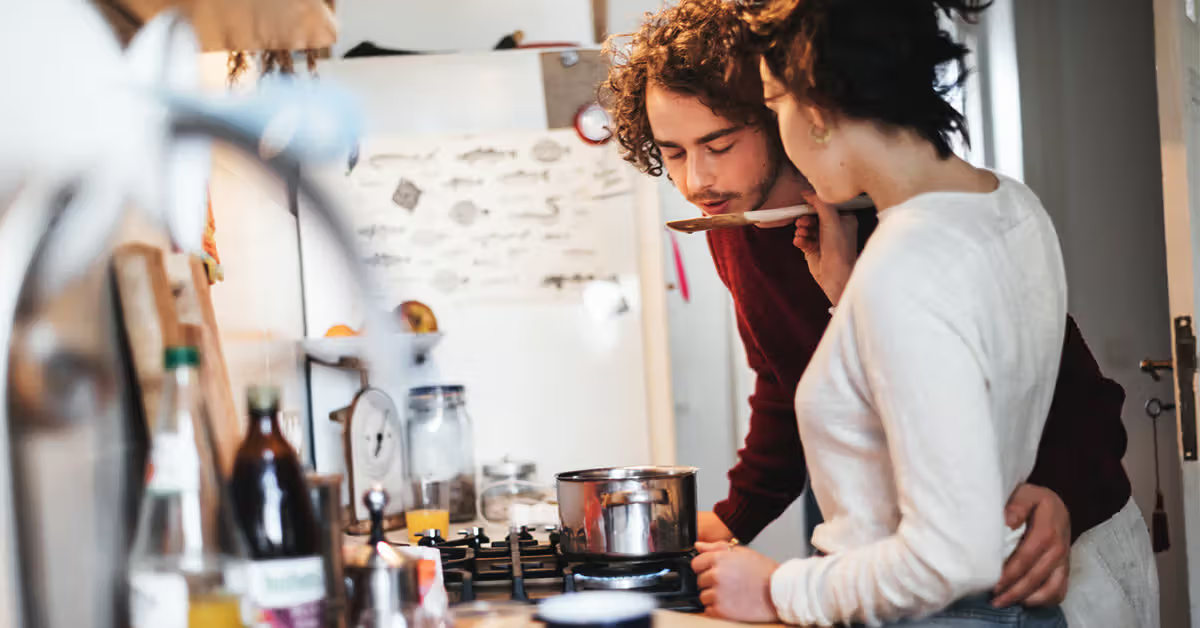
One of the strongest drivers behind the resurgence of home cooking is health awareness. People are increasingly mindful of sugar, sodium, and preservatives commonly found in restaurant meals. Cooking at home allows individuals to tailor meals to dietary needs, whether it’s plant-based eating, high-protein diets, or allergen-free cooking. Cost is another major factor. With rising inflation and added delivery charges, home-cooked meals often prove significantly cheaper over time. Beyond health and savings, there is also a sense of empowerment in preparing food from scratch. Home cooking offers control over quality and sourcing, aligning with broader trends like sustainable living and mindful consumption. For many, cooking has become an act of self-care rather than obligation. This shift in mindset suggests that home cooking is no longer about replacing delivery entirely, but about making more deliberate, value-driven food choices.
Social Media and the New Cooking Culture
Subheading: Inspiration Over Intimidation
Social media has played a surprising role in making home cooking appealing again. Platforms like Instagram, YouTube, and TikTok are filled with quick recipes, meal-prep ideas, and realistic cooking content that demystifies the process. Instead of complex gourmet dishes, creators focus on simple, comforting meals that fit into everyday life. This accessibility has reduced the intimidation factor traditionally associated with cooking. Additionally, online communities encourage experimentation and cultural exchange, introducing people to global cuisines they can recreate at home. Cooking is now content, entertainment, and education combined. This digital influence has helped rebrand home cooking as creative and rewarding rather than time-consuming. As a result, many people who once relied heavily on delivery are rediscovering the joy of preparing meals themselves, inspired by relatable content and practical guidance found online.
Balancing Busy Lives With Home-Cooked Meals
Subheading: Practical Solutions for Modern Schedules
A common argument against home cooking is lack of time, yet modern approaches are making it more manageable. Meal prepping, semi-homemade ingredients, and smart kitchen appliances have simplified the process significantly. People are learning that home cooking doesn’t require elaborate recipes or daily grocery trips. Even cooking three to four meals a week can make a noticeable difference in health and spending. Many households now use a hybrid approach, combining occasional food delivery with intentional cooking days. This balance reflects realistic lifestyles rather than idealized routines. Home cooking fits into modern life when expectations are adjusted and flexibility is embraced. Instead of striving for perfection, people are focusing on consistency and convenience within their own kitchens. This practical mindset is key to why home cooking is seeing renewed acceptance, even in an age dominated by on-demand services.
The Future of Food: Comeback or Coexistence?
Subheading: A New Relationship With Eating
Rather than completely replacing food delivery, home cooking is finding its place alongside it. The future of eating appears to be about coexistence, not competition. Food delivery remains valuable for busy days, social gatherings, and special cravings. Home cooking, on the other hand, fulfills deeper needs for nourishment, connection, and routine. As people become more intentional about their lifestyles, food choices are reflecting broader values like wellness, sustainability, and financial mindfulness. Cooking at home is no longer seen as outdated or inconvenient, but as a meaningful counterbalance to digital convenience. This shift suggests that home cooking is indeed making a comeback, not as a trend, but as a sustainable habit. In the age of food delivery, the home kitchen is reclaiming its relevance, offering something delivery apps never can: a personal connection to what we eat.