
The Shift in How We Define “Enough”
Over the past decade, the idea of how we should live, consume, and define happiness has gone through a noticeable shift. Minimalism once dominated lifestyle conversations, promoting decluttered homes, fewer possessions, and a focus on essentials only. Soon after, maximalism re-emerged as a bold response, celebrating color, abundance, personality, and expressive spaces. Today, however, many people feel torn between these two extremes. This is where intentional living enters the conversation, offering a more flexible and realistic approach. Instead of following strict rules, intentional living asks one simple question: does this add value to my life? The new normal is no longer about choosing sides, but about aligning lifestyle choices with personal values, emotional well-being, and long-term sustainability. In a world of constant comparison and consumer pressure, people are redefining “enough” on their own terms, blending simplicity, expression, and purpose into daily life in ways that feel authentic rather than performative.
Minimalism: Still Relevant, but Evolving
Minimalism is no longer just about white walls and empty shelves; it has matured into something more nuanced. Today’s minimalism focuses less on aesthetics and more on mental clarity, financial freedom, and reduced stress. People are drawn to the idea of owning less not to follow a trend, but to regain control over time and attention. Digital minimalism, mindful spending, and simplified routines are becoming just as important as decluttered closets. However, the pressure to be a “perfect minimalist” has caused some fatigue, making the lifestyle feel restrictive rather than freeing. As a result, modern minimalism allows room for comfort, nostalgia, and individuality. The emphasis has shifted from removing everything unnecessary to keeping what truly matters. This evolution shows that minimalism still holds value, but only when it serves the person, not when the person serves the aesthetic.
Maximalism: Expression as a Form of Well-Being
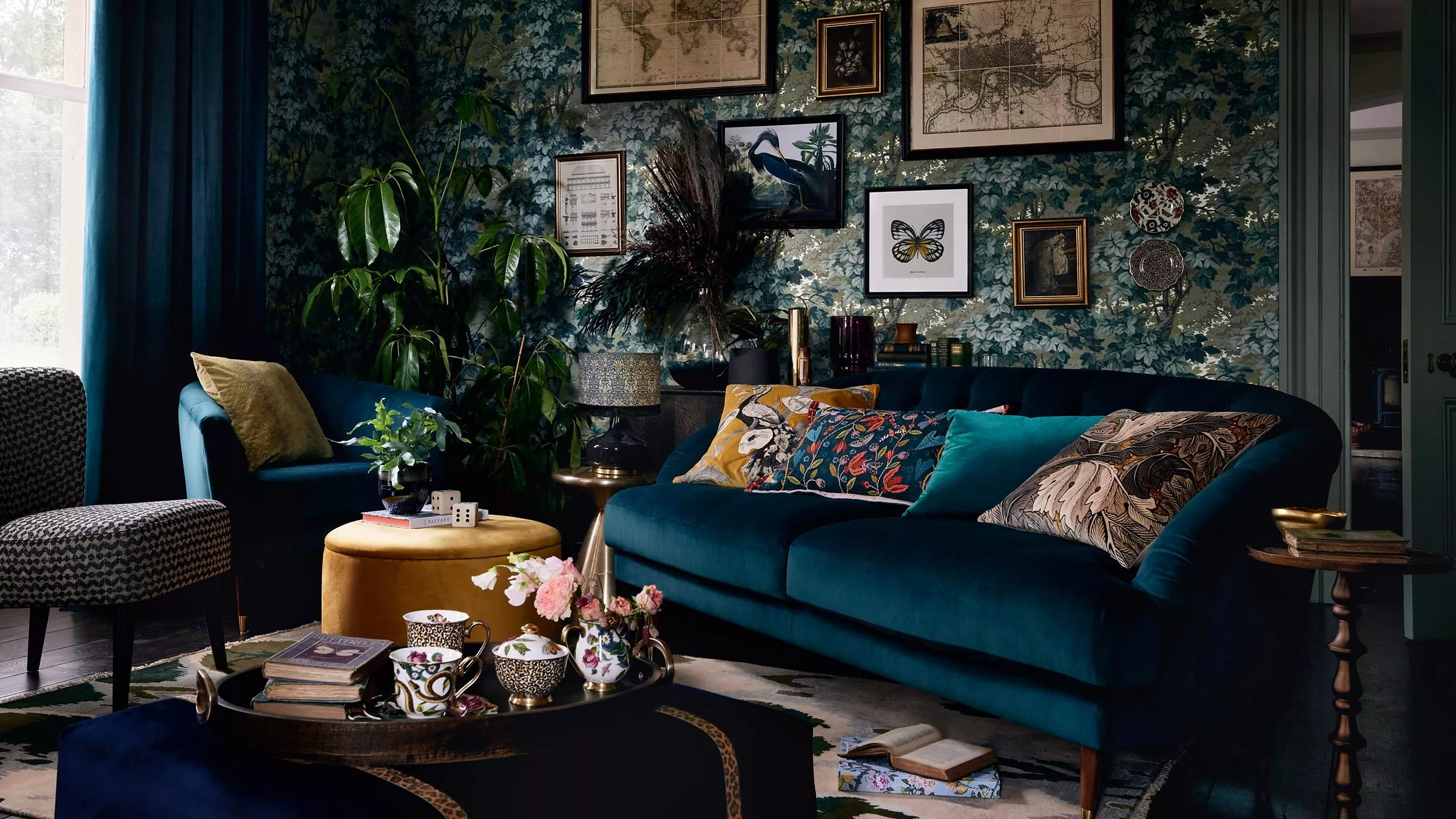
Maximalism has returned as a celebration of personality, creativity, and emotional connection. In contrast to minimalism’s restraint, maximalism encourages people to surround themselves with objects, colors, and textures that tell their story. For many, especially after years of uncertainty and isolation, expressive spaces feel comforting and empowering. Maximalism today is not about mindless consumption, but about intentional abundance. It values meaningful collections, cultural influences, and personal memories over trend-driven purchases. A maximalist home can feel deeply curated rather than chaotic, reflecting identity rather than excess. This approach resonates with those who find joy and inspiration in visual richness and emotional warmth. When done thoughtfully, maximalism supports well-being by allowing people to live in environments that energize them. Its growing popularity suggests that self-expression is becoming just as important as simplicity in defining a fulfilling lifestyle.
Intentional Living: The Middle Ground
Intentional living bridges the gap between minimalism and maximalism by focusing on purpose rather than quantity. It allows people to own less or more, as long as every choice is made consciously. This lifestyle emphasizes clarity in values, mindful consumption, and alignment between actions and priorities. Intentional living recognizes that life stages, cultures, and personalities differ, and therefore rejects one-size-fits-all rules. A person may prefer a minimalist wardrobe but a maximalist living room, and still live intentionally. What matters is awareness—why something is owned, how it is used, and whether it supports well-being. This approach also extends beyond physical spaces into work, relationships, and digital habits. As people seek balance in a fast-paced world, intentional living feels sustainable and adaptable, making it increasingly appealing as a long-term way of life.
So, What’s the New Normal?
The new normal is not minimalism, maximalism, or any single label—it is choice with intention. People are moving away from rigid lifestyle identities and toward fluid, value-driven living. Homes, routines, and habits are becoming more personalized, reflecting emotional needs rather than social expectations. This shift signals a deeper cultural change where success is measured less by appearances and more by fulfillment. The growing focus on mental health, sustainability, and self-awareness supports this evolution. Instead of asking what trend to follow, individuals are asking what works for them right now. The answer may change over time, and that flexibility is the true hallmark of the new normal. Intentional living, in all its forms, offers permission to design life thoughtfully—balancing simplicity, expression, and meaning in ways that feel genuinely human.