

A Global Food Culture at a Crossroads
Food culture has always reflected human values, technology, and survival needs, but today it is changing faster than ever before. Conversations about what we eat are no longer limited to taste or tradition; they now include climate impact, ethics, health, and innovation. Plant-based diets are gaining popularity, lab-grown foods are moving from science fiction to supermarket shelves, and traditional cuisine continues to anchor cultural identity across generations. These three approaches are not simply competing trends—they represent different answers to the same question: how can the world feed itself sustainably without losing its soul? Social media, documentaries, and scientific breakthroughs have accelerated awareness, making people more conscious of their food choices. Younger generations, in particular, see eating as a statement of values rather than just a routine. As a result, food culture is becoming more diverse, experimental, and intentional. Understanding where food culture is headed requires examining how these three paths intersect, clash, and ultimately reshape the way societies define nourishment, pleasure, and responsibility.
The Rise of Plant-Based Eating as a Lifestyle
Plant-based eating has moved far beyond niche communities and is now a mainstream lifestyle embraced across cultures. Driven by concerns about health, animal welfare, and environmental sustainability, many people are reducing or eliminating animal products from their diets. Advances in food technology have made plant-based options more accessible and appealing, with alternatives that closely mimic the taste and texture of meat and dairy. Restaurants and global food brands are responding by expanding vegan and vegetarian menus, signaling a broader cultural shift. However, plant-based food culture is not just about substitutes; it also celebrates whole foods, traditional plant-forward cuisines, and mindful eating. For many, this approach represents a return to simpler, more natural ingredients while still aligning with modern values. Critics argue that highly processed plant-based products may contradict health claims, but supporters see them as transitional tools. Overall, plant-based eating reflects a growing desire to align daily habits with long-term planetary and personal well-being.
Lab-Grown Foods and the Future of Innovation
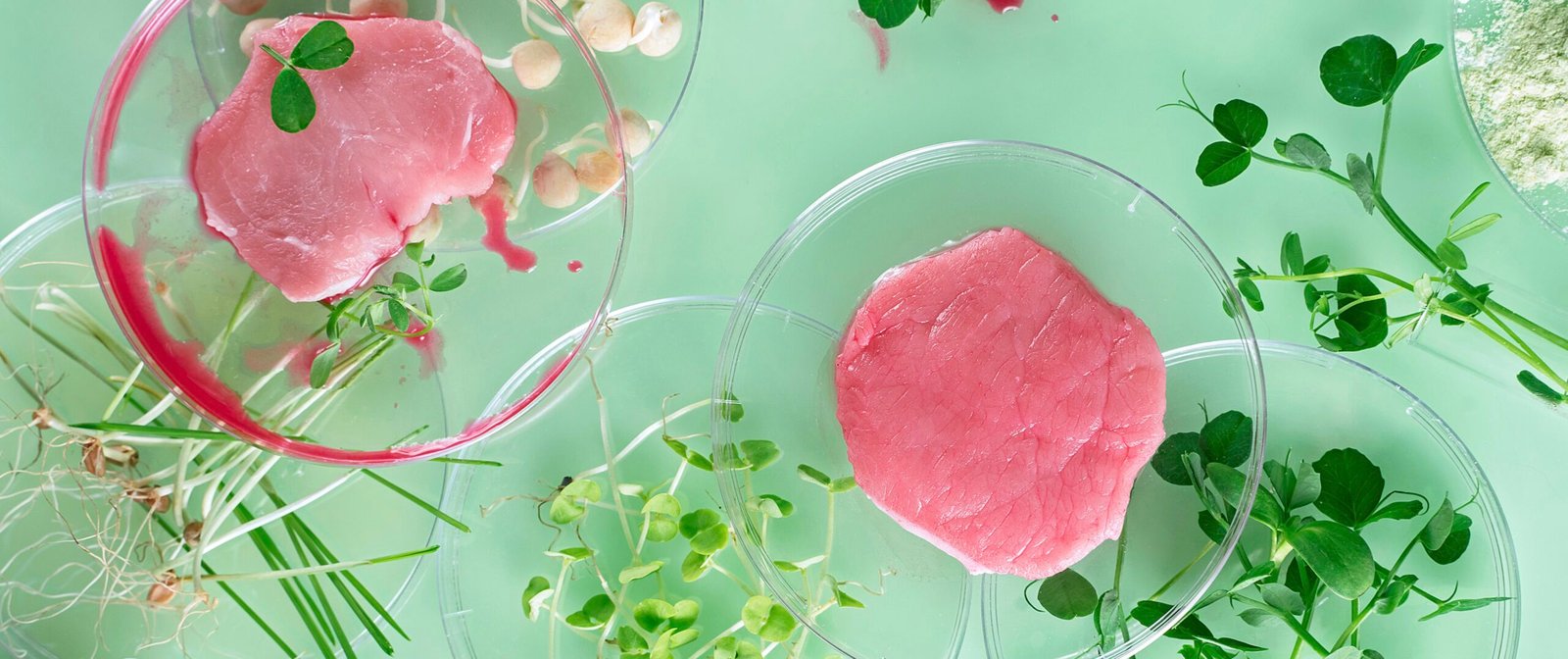
Lab-grown food, particularly cultivated meat, represents one of the most radical shifts in food culture history. Produced from animal cells without traditional farming, it promises to reduce environmental damage, land use, and animal suffering. While still emerging, lab-grown foods are increasingly discussed as a solution to feeding a growing global population. Supporters view this innovation as a technological breakthrough that separates meat consumption from ethical and ecological costs. However, public perception remains mixed, with concerns about naturalness, safety, and affordability. Food culture has always evolved alongside technology, from fermentation to refrigeration, and lab-grown foods may be the next chapter in that story. Acceptance will likely depend on transparency, regulation, and cultural storytelling around these products. As prices decrease and familiarity grows, lab-grown foods could coexist with both plant-based and traditional options. Their success will not only rely on science but also on trust and emotional connection with consumers.
The Enduring Power of Traditional Food Cultures
Despite rapid innovation, traditional food remains the emotional and cultural backbone of societies worldwide. Passed down through generations, traditional cuisine carries history, identity, and a sense of belonging that modern alternatives often lack. These foods are deeply tied to rituals, family gatherings, and regional pride, making them resistant to complete replacement. Many traditional diets are also naturally balanced, seasonal, and plant-forward, offering lessons for sustainable eating. However, industrialization and globalization have sometimes distanced traditional foods from their original values, leading to overconsumption and waste. Today, there is a renewed appreciation for local ingredients, slow cooking, and ancestral wisdom. Rather than disappearing, traditional food culture is adapting—integrating healthier methods and ethical sourcing. In a rapidly changing world, these culinary traditions provide continuity and comfort. They remind people that food is not only fuel or innovation, but also memory, culture, and shared human experience.
Finding Balance: The Future of Food Culture
The future of food culture is unlikely to belong exclusively to plant-based, lab-grown, or traditional approaches. Instead, it will be shaped by a balance of all three, guided by context, choice, and values. People may eat plant-based meals most days, enjoy lab-grown options occasionally, and preserve traditional dishes for cultural and emotional connection. This blended approach reflects a more flexible and inclusive food identity. As awareness grows, consumers are becoming less rigid and more curious, open to experimenting without abandoning heritage. Governments, businesses, and communities will also influence this balance through policy, pricing, and education. Ultimately, food culture is headed toward personalization rather than uniformity. What matters most is intention—eating in ways that respect health, culture, and the planet. By embracing diversity in how food is produced and consumed, societies can create a future where innovation and tradition coexist, nourishing both people and the world they live in.